First-time buyer checklist for Diffusers, essential-oil hardware, candle-making (non-medical claims).
What should you know before buying First-time buyer checklist for Diffusers, essential-oil hardware, candle-making (non-medic?
Before buying, use this page as a shortlist and verify the final details on Amazon. Prioritize fit, current price, stock, seller, return window, warranty, and recent buyer feedback over one headline rating. That final check helps avoid stale prices, mismatched variants, and avoidable returns.

By Jordan Nolan · Senior Editor
Published June 1, 2026
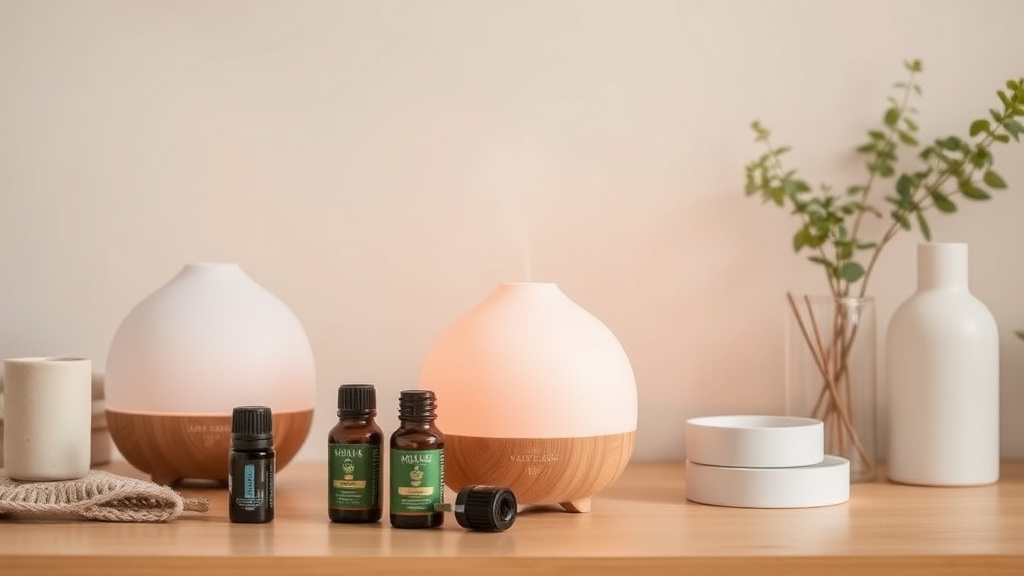
First-Time Buyer Checklist for Diffusers, Essential-Oil Hardware, and Candle-Making
Welcome! If you’re like me, you’ve probably found yourself enchanted by the warm glow of candles, the subtle scents of essential oils, or the calming hum of a diffuser. Diving into the world of aroma and ambiance can feel a bit overwhelming at first, especially with so many products and techniques to explore. I remember my own early days—getting my feet wet with a basic ultrasonic diffuser, then slowly upgrading to more sophisticated gear as I learned what mattered most to me. This first-time buyer checklist will help you cut through the noise and guide you toward gear that fits your wellness goals and lifestyle without overcomplicating things.
Whether your interest lies in diffusers, essential-oil specific hardware, or candle-making essentials, this guide will walk you through the must-knows before your first purchase. Let’s get you started with confidence.
Understanding Diffusers: Types and Features to Consider
Diffusers come in various shapes, sizes, and technologies. Knowing the core differences helps you choose the one that fits your space and how you want to use it.
Popular Diffuser Types:
-
Ultrasonic Diffusers: These use vibrations to create a fine mist, dispersing essential oils evenly with water. They’re quiet, often double as humidifiers, and are great for extended use. A favorite is the URPOWER Essential Oil Diffuser - check price on Amazon, which balances affordability and performance nicely.
-
Nebulizing Diffusers: These don’t dilute oils with water; instead, they break down pure essential oils into tiny particles for a more potent aroma. They’re ideal if you want pure aroma intensity but can be louder and consume oils faster. Consider the Organic Aromas Raindrop 2.0 Nebulizing Diffuser - check price on Amazon if you’re ready to step up.
-
Evaporative Diffusers: Easy to use, they use a fan to blow air through a pad or filter containing oils. They work well for smaller spaces but tend to have a less consistent scent throw.
-
Heat Diffusers: These use heat to help oils evaporate, but can sometimes alter the chemical properties of the oils if the heat is too high.
What to Check Before Buying Your Diffuser:
- Room size compatibility: Choose one suited to your target space.
- Run time settings: Adjustable timers or intermittent misting add flexibility.
- Noise level: Ultrasonics tend to be quiet; nebulizers vary.
- Water capacity: Larger capacity means less frequent refilling.
- Ease of cleaning: Essential-oil residue can build up.
- Auto shutoff: A safety must-have for peace of mind.
Essential-Oil Hardware: Beyond the Diffuser
Diffusers are only one piece of the puzzle. If you want to fully integrate essential oils into your routines, some additional hardware can elevate your experience.
Must-Have Essential Oil Accessories:
-
Glass Dropper Bottles — For blending and storing your custom oil mixtures safely. Amber or cobalt glass protects oils from sunlight.
-
Oil Blending Funnels — Handy when combining oils, especially for candle making or roller bottles.
-
Rollerball Bottles — Great for personal application blends and on-the-go scent.
-
Measuring Pipettes — Help maintain consistent ratios in blends.
You don’t need all of these upfront but having a few makes your workflow smoother as you experiment.
Candle-Making Starter Kit Essentials
If you’re eager to create your own scented candles, the basics tend to revolve around quality materials and safety-focused equipment.
What to Buy for Your First Candle-Making Experience:
-
Wax — Soy wax flakes are beginner-friendly, cleaner burning, and ethically favored compared to paraffin. EcoSoya Soy Wax Flakes - check price on Amazon come highly recommended for their smooth finish.
-
Wicks — Different waxes and container sizes need different wick types. Cotton or wooden wicks are popular choices.
-
Fragrance Oils — Use oils specifically designed for candles. Not all essential oils are suitable because of flash points.
-
Pouring Pitcher — Heat and pour safely and easily with a dedicated pitcher.
-
Thermometer — Accurate temperature monitoring ensures your wax and fragrance bind properly.
-
Containers — Glass jars or tins rated for candle use.
Safety Tips:
- Always work in a well-ventilated area.
- Never leave melting wax unattended.
- Use heatproof gloves and keep a fire extinguisher nearby.
How to Choose the Right Scent for Your Space
Selecting scents is deeply personal and sometimes site or mood specific. Here’s how I approach it, honed from testing dozens of oils and blends.
- Start with single-note oils like lavender, peppermint, or eucalyptus to tune into what your body responds to.
- For diffusers, lighter citrus blends evaporate faster; heavier woods or spices linger longer.
- For candles, scent throw matters—a good candle should fill a room but never overpower.
- Consider blending complementary oils to create a signature mood — I adore a mix of Young Living’s Lemon essential oil - check price on Amazon with cedarwood.
Above all, choose scents that make you feel calm, energized, or nurtured—whatever your wellness goal is.
Maintenance and Longevity: Caring for Your Diffuser and Candle Gear
Proper care ensures your diffuser and candle devices stay safe and efficient far into the future.
- Diffuse Safely: Change water frequently, clean reservoirs weekly using diluted vinegar to prevent residue buildup.
- Wick Trimming: Trim candle wicks to about ¼ inch before each burn to prevent soot.
- Storage: Store oils away from sunlight and heat to preserve potency.
- Avoid Overuse: Some oils are sensitizing if scattered constantly — rotate blends or take breaks.
Comparison Checklist for First-Time Buyers
Here’s a handy table to quickly check what you should focus on depending on your primary interest.
| Feature / Item | Diffuser Buyer | Essential Oil Hardware Buyer | Candle Maker Buyer |
|---|---|---|---|
| Type of diffuser | Ultrasonic / Nebulizing | N/A | N/A |
| Water requirement | Yes (ultrasonic) | N/A | No |
| Oil type | Pure Essential Oils | Pure Essential Oils + Blending Oils | Candle Fragrance Oils |
| Additional tools | Stir sticks, pipettes | Glass droppers, roller bottles | Thermometer, pouring pitcher |
| Safety considerations | Auto shutoff, cleaning | Proper storage | Wick trimming, fire safety |
| Room size suitability | Small to large options | N/A | Container size and wick matching |
| Recommended starter product | URPOWER Diffuser - check price on Amazon | Glass Dropper Bottle Set | EcoSoya Soy Wax Flakes - check price on Amazon |
FAQ
Q: How often should I clean my diffuser?
A: Generally, clean your diffuser after every 5–6 uses or weekly if used daily. Water spots and oil buildup can affect performance.
Q: Can I use any essential oil in a candle?
A: Not all essential oils are suitable for candle-making due to their flash point or scent throw. It’s safest to use fragrance oils specifically made for candle use.
Q: Are ultrasonic diffusers safe for pets?
A: Some essential oils can be toxic to pets; always research specific oils and use diffusers in well-ventilated, pet-free areas or consult your vet.
Q: How do I extend the fragrance of my candles?
A: Use the right wick size, proper temperature when adding fragrance, and cover candles when not in use to reduce scent loss.
Q: What if I don’t like the scent after buying a diffuser?
A: Experiment with different oils or blends. Diffusers often come with spare pads or low-cost additions that allow you to switch scents without much hassle.
Venturing into the niche of aroma hardware and candle making is a delightful journey—one that combines creativity, wellness, and practical craftsmanship. Keep this checklist handy, and you’ll avoid common pitfalls while getting the most joy and benefit from your new gear. Feel free to revisit this guide anytime you want to upgrade or expand your collection!
Happy scent-scaping!
— Jordan